HacivatandKaragoz: Rediscovering the Traditional Shadow Play
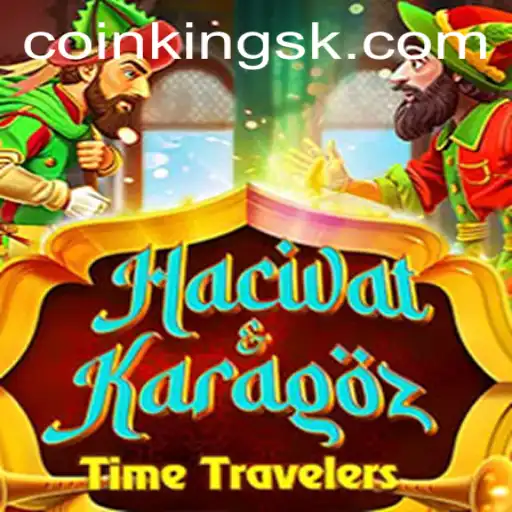
HacivatandKaragoz: Rediscovering the Traditional Shadow Play
In an era where digital gaming experiences dominate the entertainment landscape, the timeless appeal of traditional games like HacivatandKaragoz continues to captivate audiences, offering a unique blend of culture, art, and history. Originating from the Ottoman Empire, HacivatandKaragoz is a unique shadow play that has transcended generations, maintaining its charm and cultural relevance through its engaging storytelling and artistic presentations.
Introduction to HacivatandKaragoz
HacivatandKaragoz is a traditional shadow puppet play that dates back to the Ottoman period. This form of theatre is believed to have been inspired by puppet shows that migrated from Asia through Anatolia. The play centers around two main characters, Hacivat and Karagoz, who represent contrasting personalities. Hacivat is intellectual and eloquent, often portrayed as sophisticated, while Karagoz is a boisterous, yet simple, individual with a penchant for misunderstandings and humor.
The play is performed using silhouettes of characters, made from camel or cow leather, manipulated behind a thin, illuminated screen. These puppets, which are intricately designed and colored, cast shadows that bring the vibrant stories of HacivatandKaragoz to life. This art form has been cherished not only for its humor and satire but also for its capacity to reflect societal norms, political discourse, and cultural values across different eras.
Game Rules and Mechanics
The performance of HacivatandKaragoz is governed by some traditional rules. Typically, a single puppeteer, known as a Hayali, conducts the entire performance. The Hayali is responsible for voicing different characters, ensuring that each puppet moves in tandem with the dialogues. The challenge lies in the Hayali's ability to seamlessly manage these elements, delivering an engaging performance that keeps audiences entertained.
The characters often find themselves in humorous situations, and the rapid-fire dialogue is characterized by wordplay, satire, and cultural allegories. Each play is made up of several scenes, with traditional introductions setting the context for the unfolding narrative. The stories often encapsulate a specific moral or lesson, making the game educational as well as entertaining.
While the characters Hacivat and Karagoz remain the focal point, other characters, such as Zenne, Tuzsuz Deli Bekir, or Civelek, make appearances, contributing to the rich tapestry of the narrative. Each character embodies different societal stereotypes, adding layers of meaning to every performance.
Cultural Significance of HacivatandKaragoz
Throughout history, HacivatandKaragoz has served as a reflection of the socio-political climate of its time, weaving in contemporary issues with humor and satire. It has been a platform for social critique, allowing audiences to reflect on cultural practices and societal expectations. The performances are typically set during the holy month of Ramadan, when families gather to enjoy the humorous and insightful tales.
The revival of HacivatandKaragoz in modern times is testament to its enduring cultural significance. Efforts to keep this traditional art alive include workshops, festivals, and educational programs aimed at teaching younger generations the intricacies of this art form. Many cultural festivals around the world celebrate their own versions of shadow puppetry, drawing inspiration from the enduring influence of HacivatandKaragoz.
Current Events and the Revival of HacivatandKaragoz
In recent years, there has been a palpable resurgence of interest in traditional games as cultural touchstones. Amidst the proliferation of digital and interactive media, HacivatandKaragoz stands as an important reminder of cultural identity and heritage. Recently, cultural organizations and enthusiasts have been promoting this art form, incorporating it into festivals and international cultural experiences.
With a growing movement toward cultural preservation, there has been a concerted effort to adapt HacivatandKaragoz for modern audiences. New interpretations incorporate contemporary themes and modern-day commentary, appealing to younger audiences while preserving the core essence of the traditional narratives. The integration of new technologies, such as animated displays and digital soundscapes, complements traditional techniques, providing fresh perspectives on this classic art form.
In conclusion, the game of HacivatandKaragoz is more than just a traditional shadow play; it is a cultural artifact that continues to bridge generations, bringing together rich storytelling, humor, and artistic expression. As efforts to revive and innovate this beloved game continue, it reaffirms its place as an integral part of cultural heritage, fostering a deeper understanding and appreciation for the timeless art of shadow puppetry.
